Skip to content
Washington, DC

Georgetown Homes for Sale | Historic Rowhouses and Estates

Federal rowhouses, grand estates, and waterfront condominiums in the oldest neighborhood in Washington, along the Potomac and the C and O Canal.

About Georgetown

Georgetown Real Estate | Historic Rowhouses, Estates, and the Waterfront

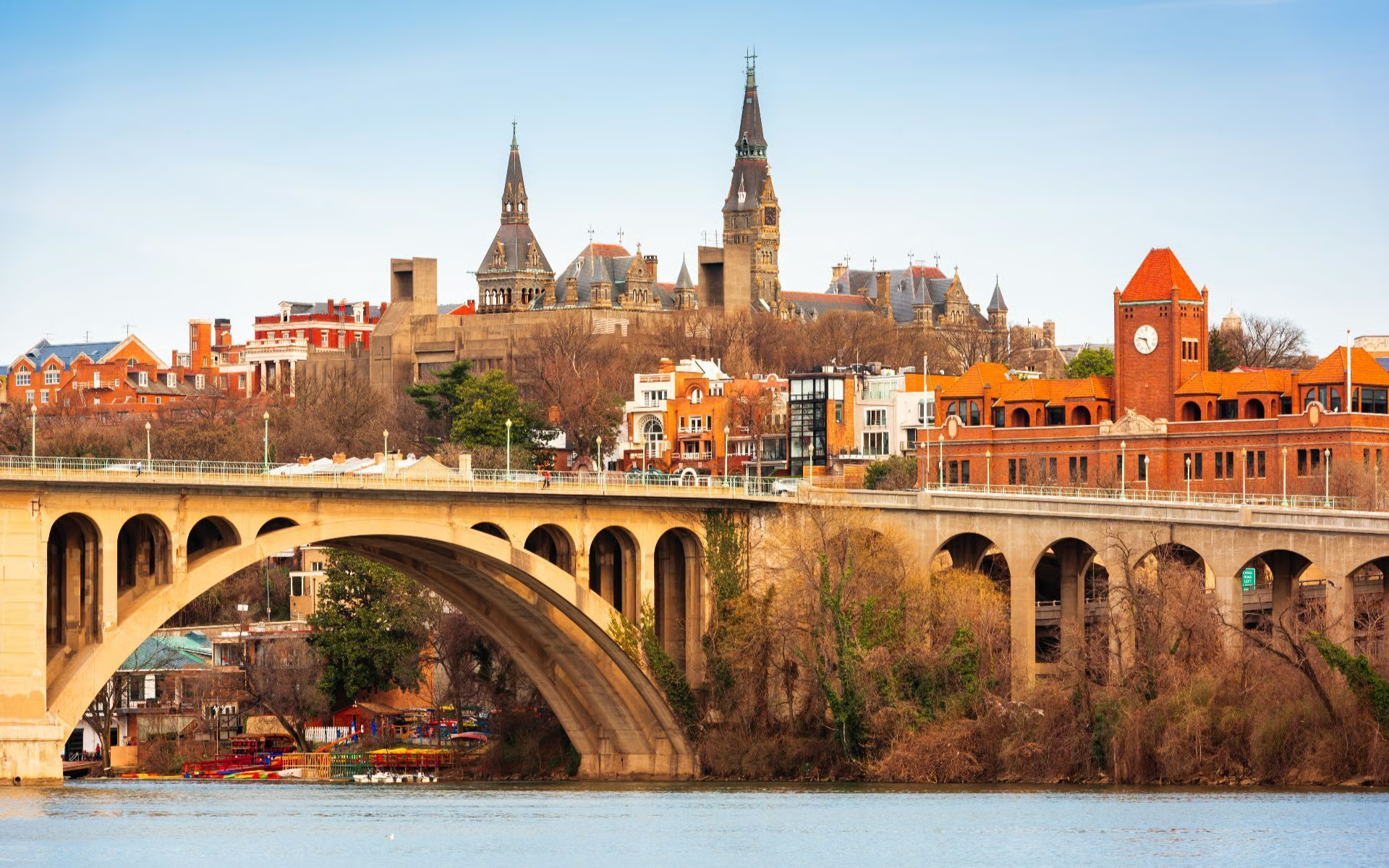
Georgetown is the oldest and one of the most prestigious neighborhoods in Washington, DC, set along the Potomac River in the western corner of the Northwest quadrant. Founded in 1751, four decades before the city of Washington itself, it began as a colonial tobacco port and grew into a neighborhood of Federal and Georgian rowhouses, cobblestone streets, and grand estates, all now protected as a historic district. Georgetown covers roughly 750 acres bounded by the Potomac River to the south, Rock Creek to the east, and Georgetown University and Burleith to the west and north, and it is home to Georgetown University, founded in 1789. It falls within Ward 2 and ZIP code 20007, and famously has no Metro station of its own.

The Georgetown real estate market is one of the most expensive and sought-after in the city, and it spans a wide range of historic property. As of mid-2026, the median sale price in Georgetown was in the range of roughly $1.5 million to $1.75 million, a figure that includes condominiums and smaller rowhouses at the lower end and rises steeply from there. Classic Federal rowhouses generally range from about $1.5 million to $4 million depending on size, block, and condition, while larger townhouses and the grand detached estates for which Georgetown is known can run from $5 million to well over $20 million. Georgetown is also notably a cash market, with a large share of recent sales requiring no mortgage, and homes typically spend one to two months on the market.

What sets Georgetown apart is history and prestige that no other Washington neighborhood can match. Its Federal-era architecture, red-brick sidewalks, and cobblestone streets sit alongside a genuinely walkable commercial district, with hundreds of shops and restaurants along M Street and Wisconsin Avenue, a revitalized Potomac waterfront, and landmarks such as Dumbarton Oaks, Tudor Place, and the Old Stone House, the oldest building in the District. Owning here means owning inside a protected historic district, where exterior changes are reviewed by the Old Georgetown Board, and it means trading direct Metro access for cobblestone charm, since the nearest stations are about a mile and a half away. That combination draws buyers who value architecture, walkability, and a landmark address over new construction and transit convenience.

Advisory Partners brings boutique, concierge-level guidance to the Georgetown market and the wider DMV. Affiliated with Compass, the team pairs data-driven valuations and marketing built for the luxury market with the block-by-block and estate-level knowledge that Georgetown rewards, since a Federal rowhouse, a waterfront condominium, and a grand estate are three very different transactions, each with its own buyer and its own preservation considerations. Whether you are buying a historic rowhouse in the East or West Village, selling an estate that calls for a discreet approach, or navigating the Old Georgetown Board on a renovation, Advisory Partners treats every transaction as the high-stakes decision it is, from the first conversation through closing.


‍

WHY GEORGETOWN

What to Love About Georgetown

The Oldest Neighborhood in Washington,World-Class Shopping and Dining ,Federal Architecture and Cobblestone Streets History and Culture at Every Turn

The Oldest Neighborhood in Washington

Founded in 1751, Georgetown predates the city of Washington itself and is the District's oldest neighborhood, a protected historic district of Federal and Georgian architecture. African Americans have lived and worshipped in Georgetown since its founding, and the eastern Herring Hill area and a dedicated heritage trail preserve that history.

Federal Architecture and Cobblestone Streets

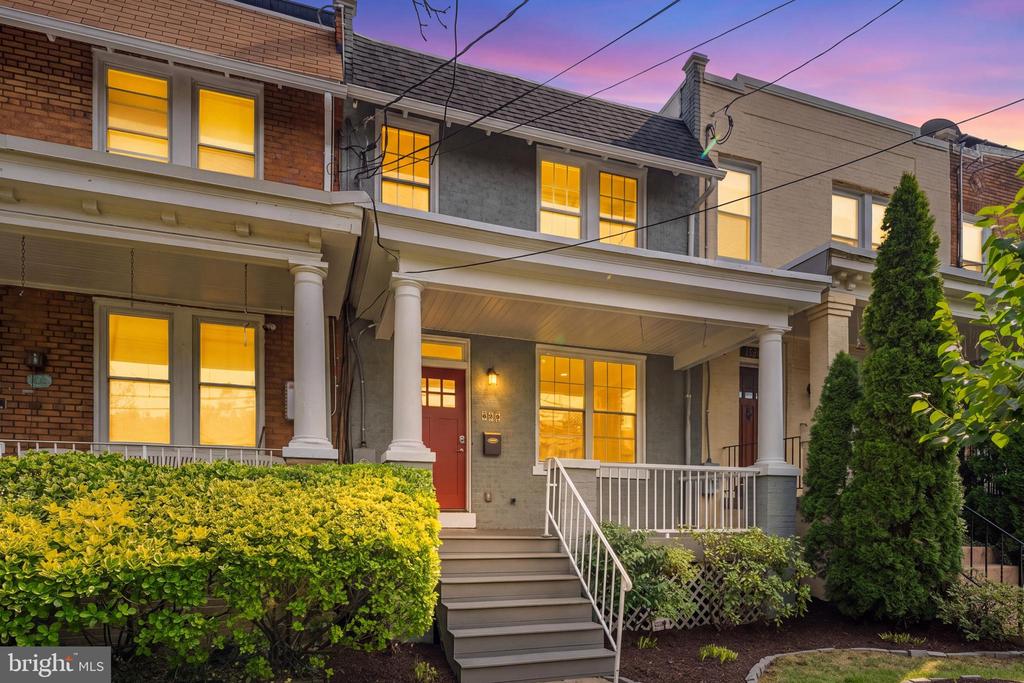
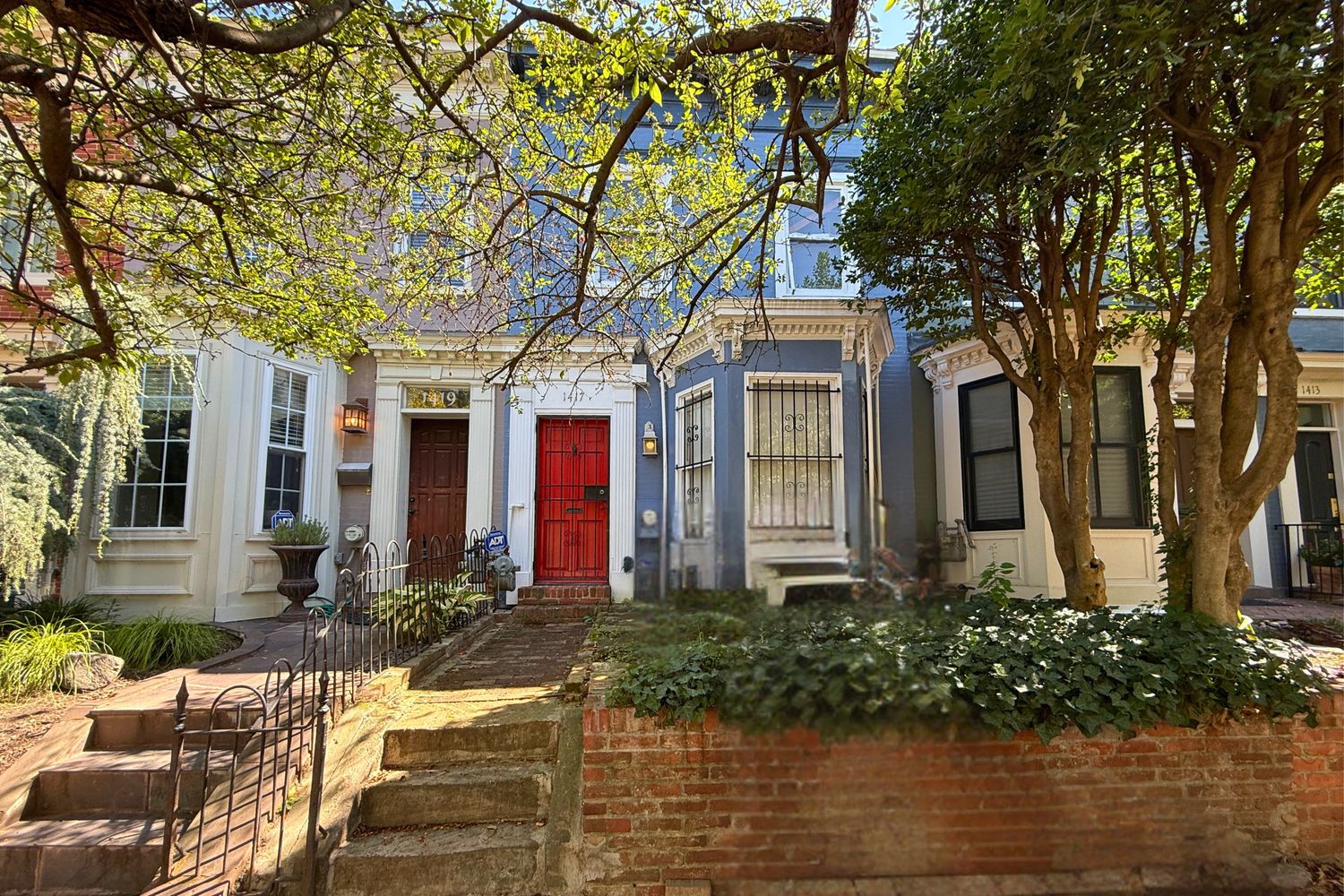
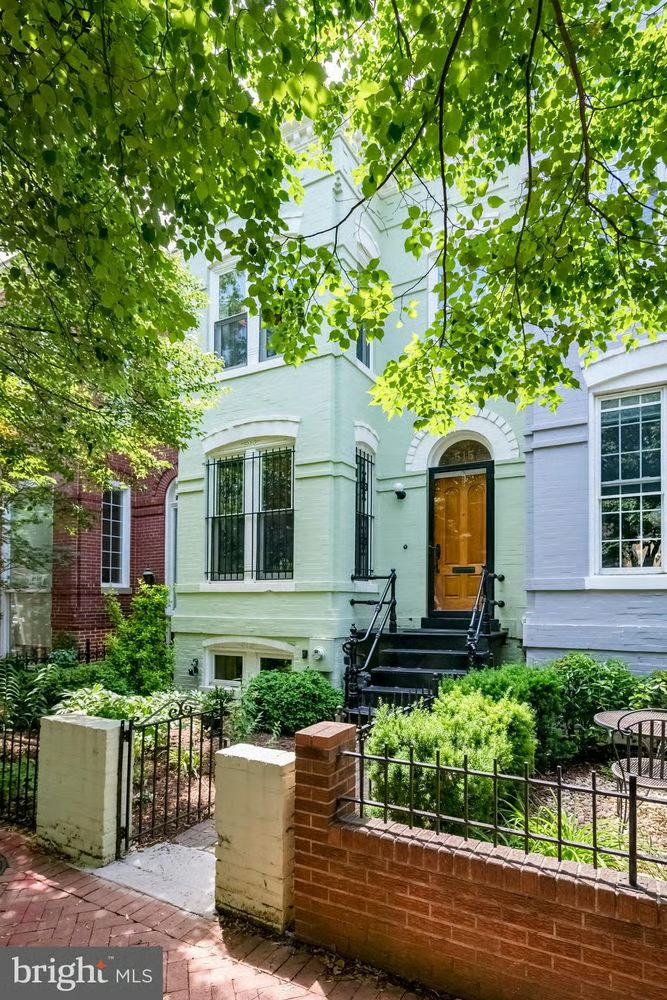
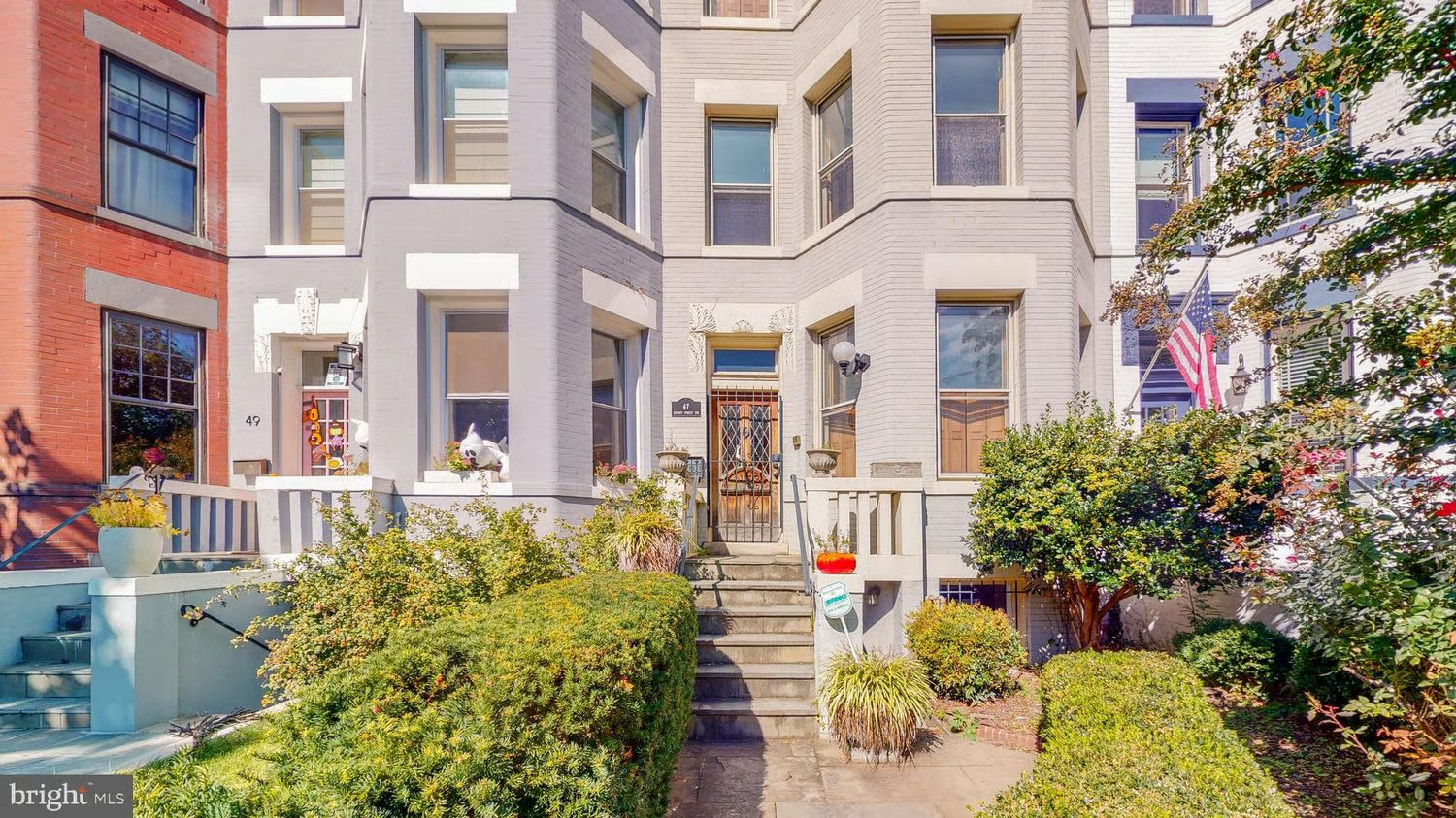
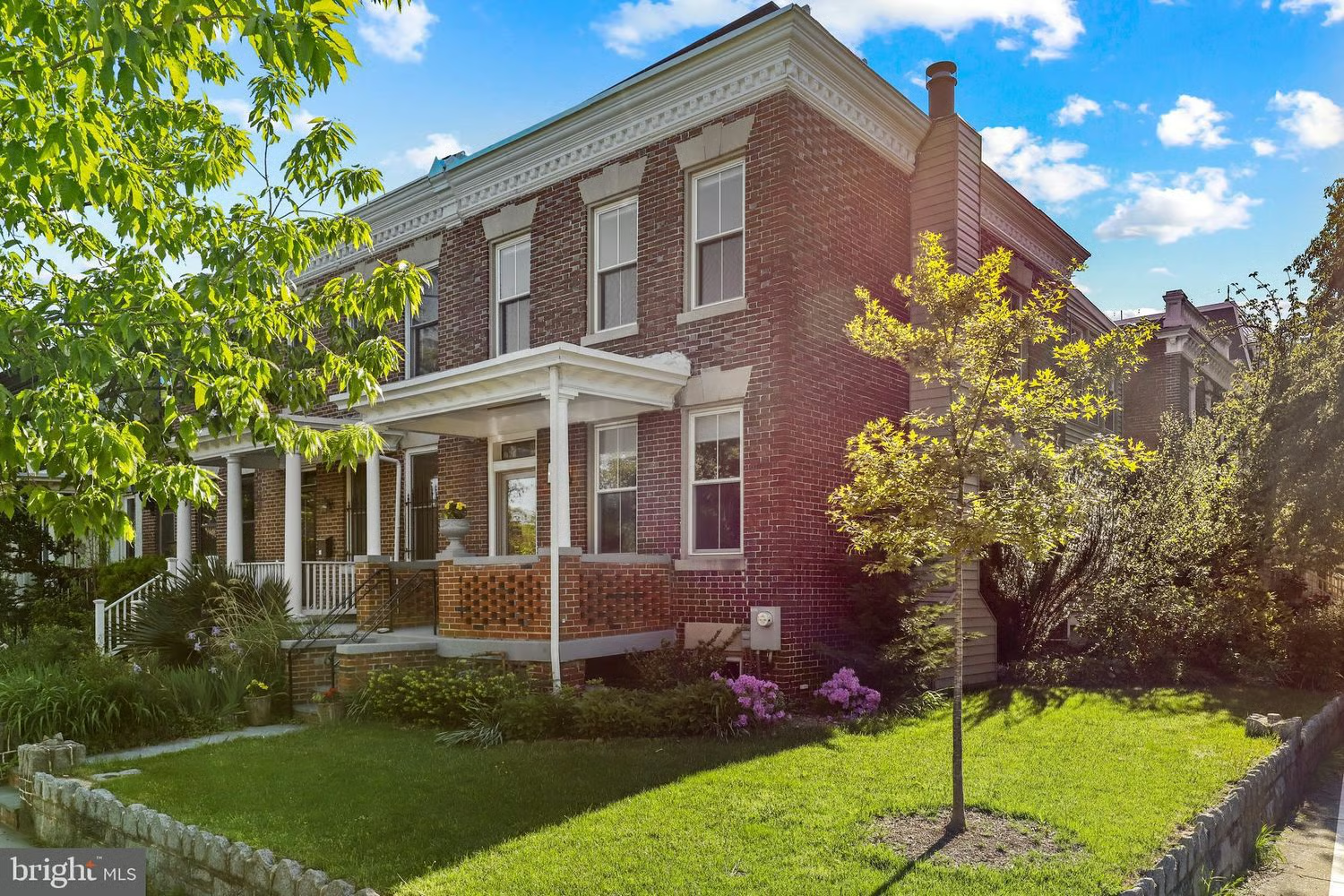
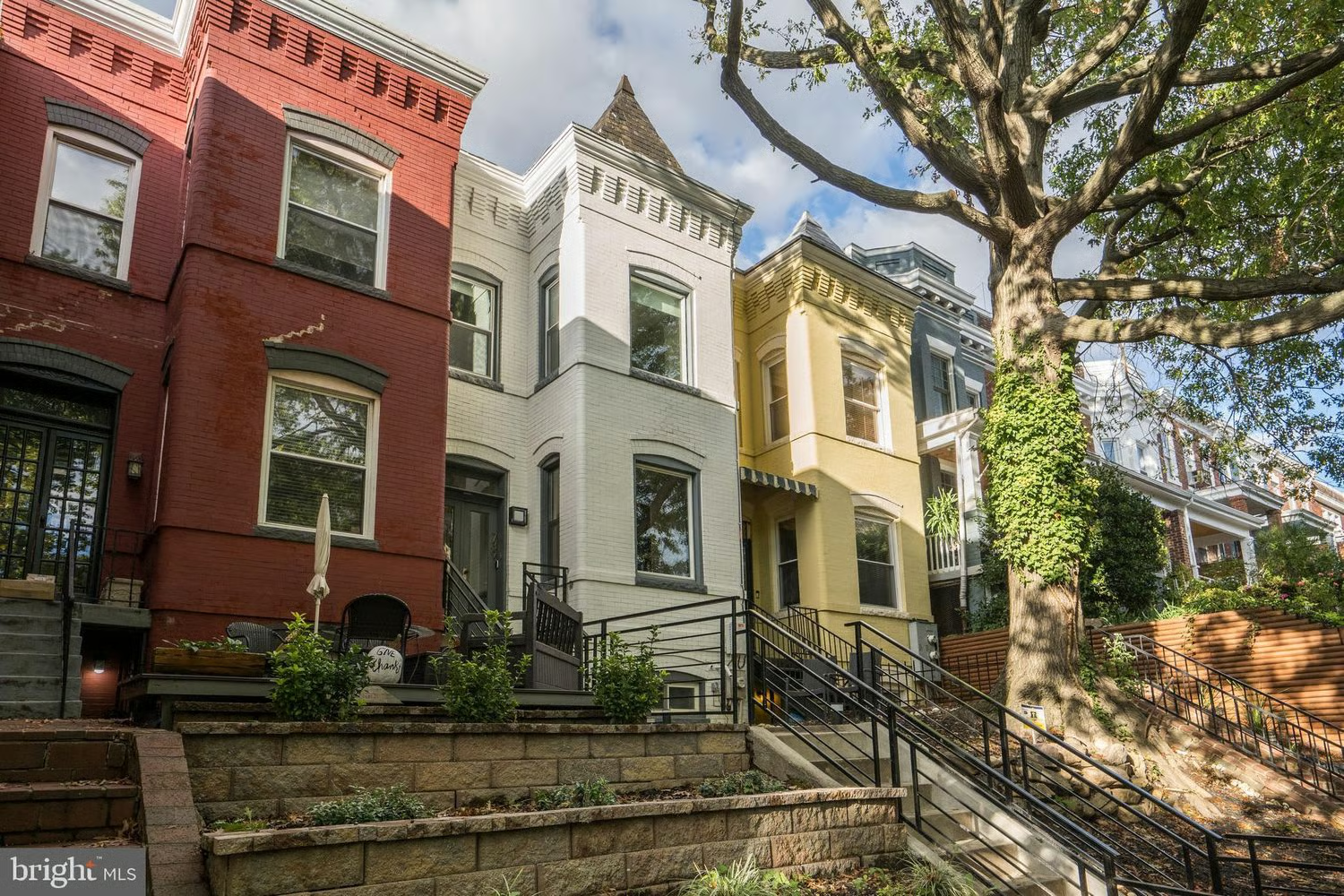
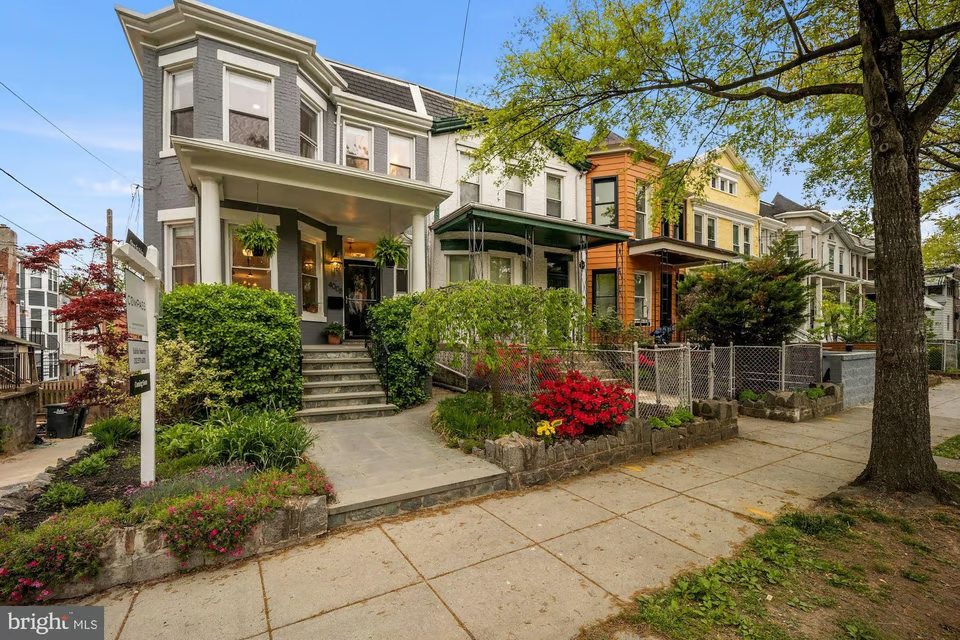
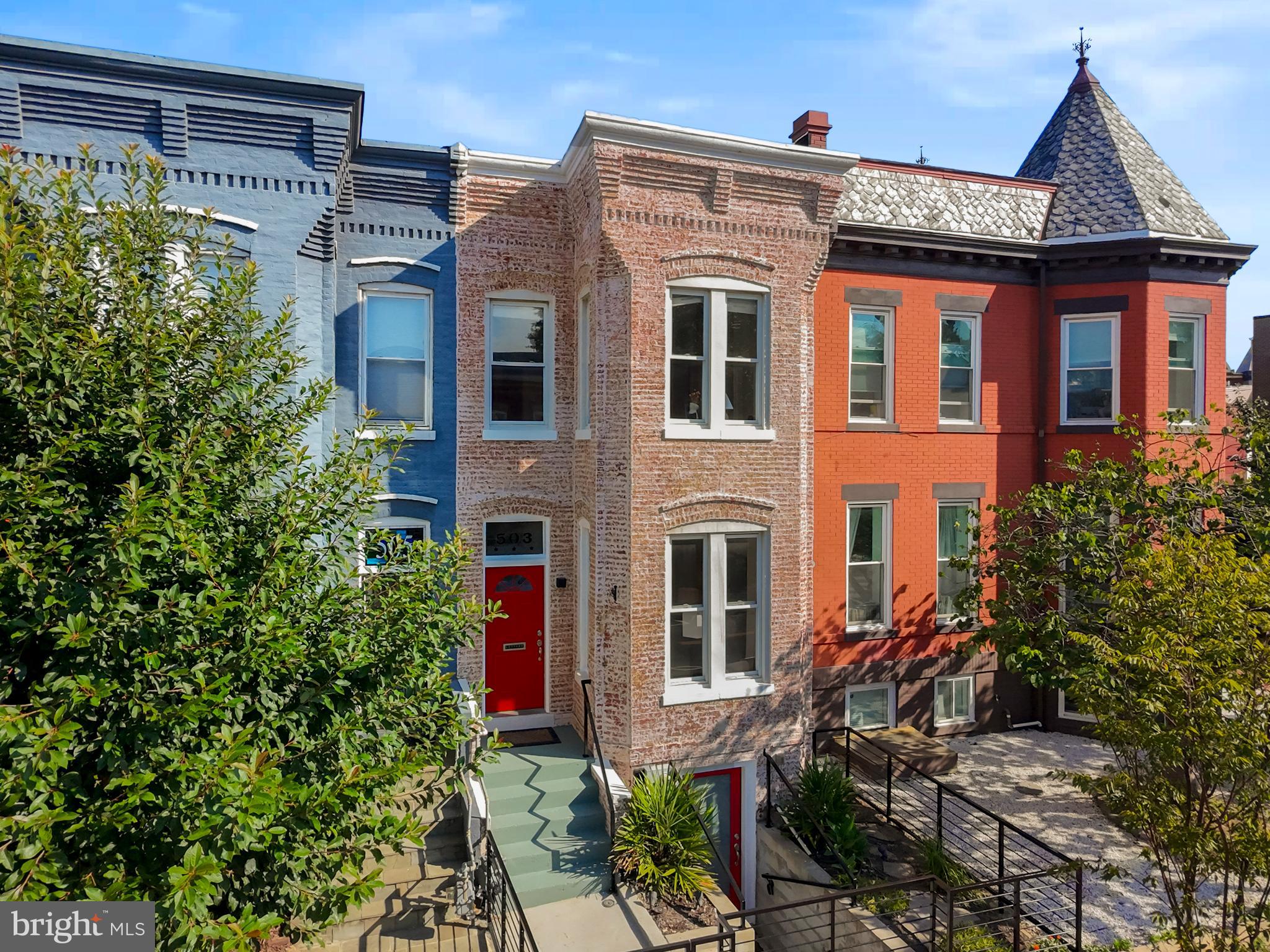
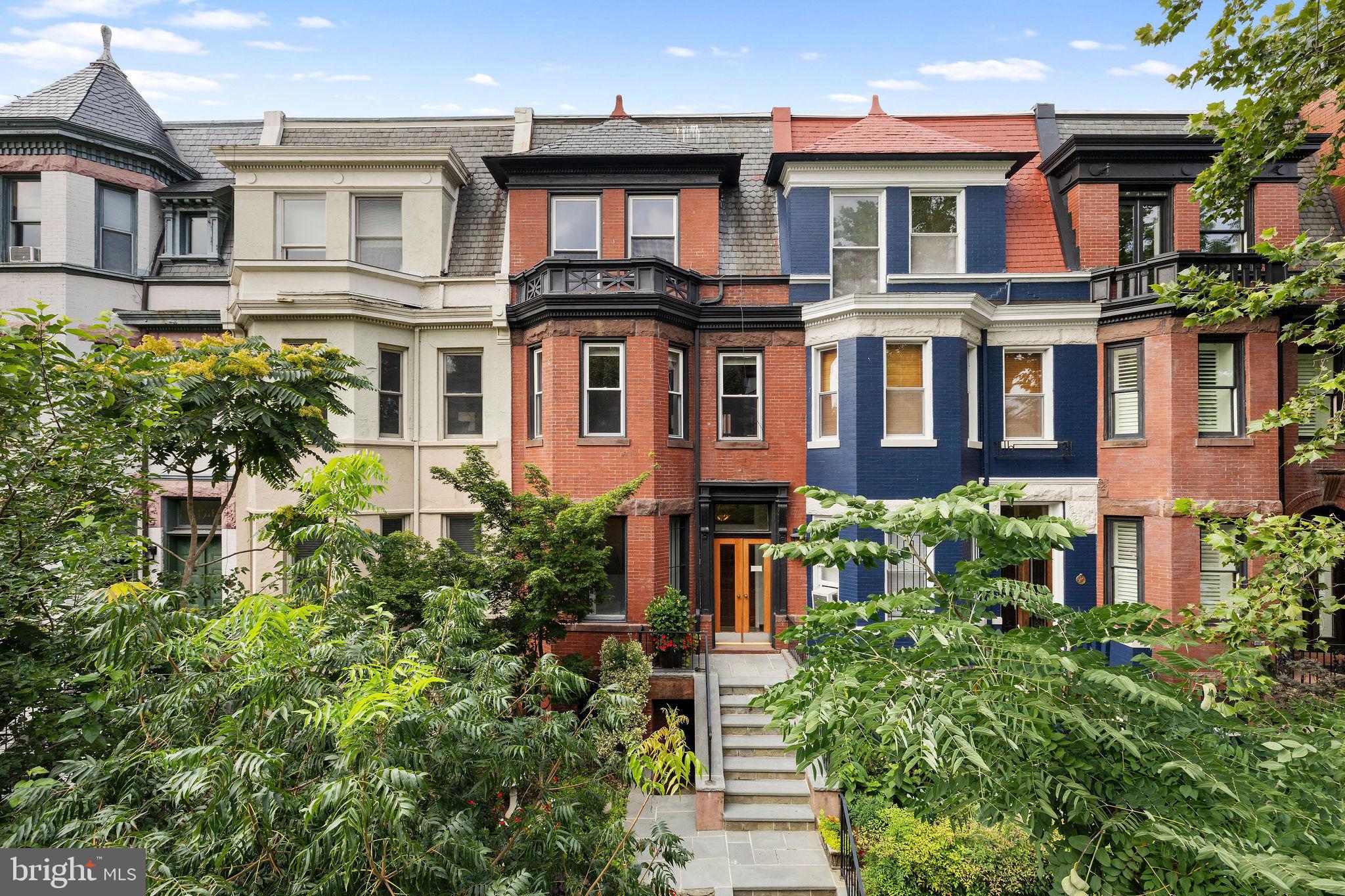
Georgetown's tree-lined and cobblestone streets are lined with brick Federal and Victorian rowhouses and grand estates, many with private gardens. Because the neighborhood is a historic district, its character is carefully preserved, and buyers own a piece of one of the best-kept historic streetscapes in the country.

World-Class Shopping and Dining

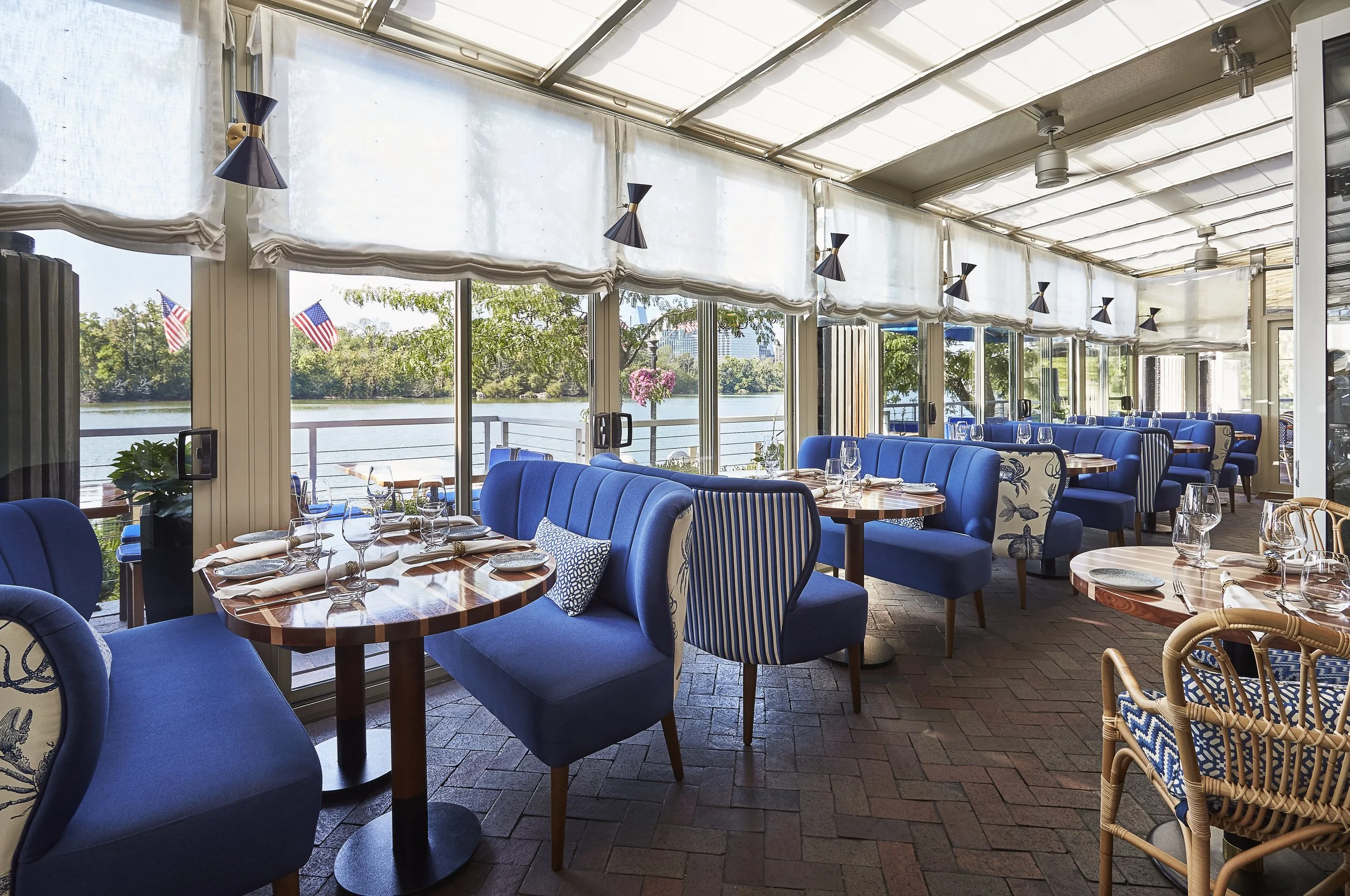
M Street and Wisconsin Avenue form one of the region's premier shopping and dining destinations, with hundreds of flagship retailers, independent boutiques, and restaurants. From the waterfront tables at Fiola Mare to the historic booths at Martin's Tavern, few neighborhoods offer this range within a short walk.

The Potomac Waterfront and the C and O Canal

Georgetown sits where the Chesapeake and Ohio Canal meets the Potomac River, giving residents the canal towpath for walking and cycling and the Georgetown Waterfront Park for kayaking, paddleboarding, and riverside strolls, all at the edge of the historic district.

History and Culture at Every Turn

Few neighborhoods hold this much history. Georgetown is home to Georgetown University, founded in 1789, and to landmark house museums including Dumbarton Oaks, with its Byzantine and Pre-Columbian collections and formal gardens, Tudor Place, and the Old Stone House, the oldest building in Washington.

Walkable, if Not on the Metro

Georgetown is one of the most walkable neighborhoods in the city, with shops, restaurants, parks, and schools within easy reach on foot. It has no Metro station of its own, so residents rely on the DC Circulator, Metrobus, cycling, and the Key Bridge to Arlington, with the nearest Metro about a mile and a half away.

Explore Georgetown

Georgetown Neighborhoods | A Buyer's Guide

Georgetown is divided into two residential halves, East Village and West Village, split by Wisconsin Avenue, with the Potomac waterfront to the south and Book Hill to the north. The ranges below reflect typical recent sales and are a general guide, as block, lot, condition, and renovation significantly affect value in this protected historic district. Burleith, Glover Park, and the West End are separate adjacent neighborhoods.

The ranges below reflect typical recent sales and should be treated as a general guide rather than a guarantee, since condition, square footage, lot, and building drive Kalorama values significantly, and sales volume is low.

Rowhouses & Estates

The East Village

The East Village, east of Wisconsin Avenue toward Rock Creek, is Georgetown's most convenient residential quarter and holds several of its grandest estates. Its tree-lined and cobblestone streets, including N, O, P, and Q Streets, are lined with Federal and Victorian rowhouses, and the area is home to landmark estates such as Tudor Place, Evermay, and the Dumbarton Oaks museum and gardens. Residents here are within an easy walk of Dupont Circle, the West End, and the nearest Metro. Rowhouses in the East Village generally range from about $1.5 million to $4 million, while the largest historic estates trade well into eight figures.

Historic Rowhouses

The West Village

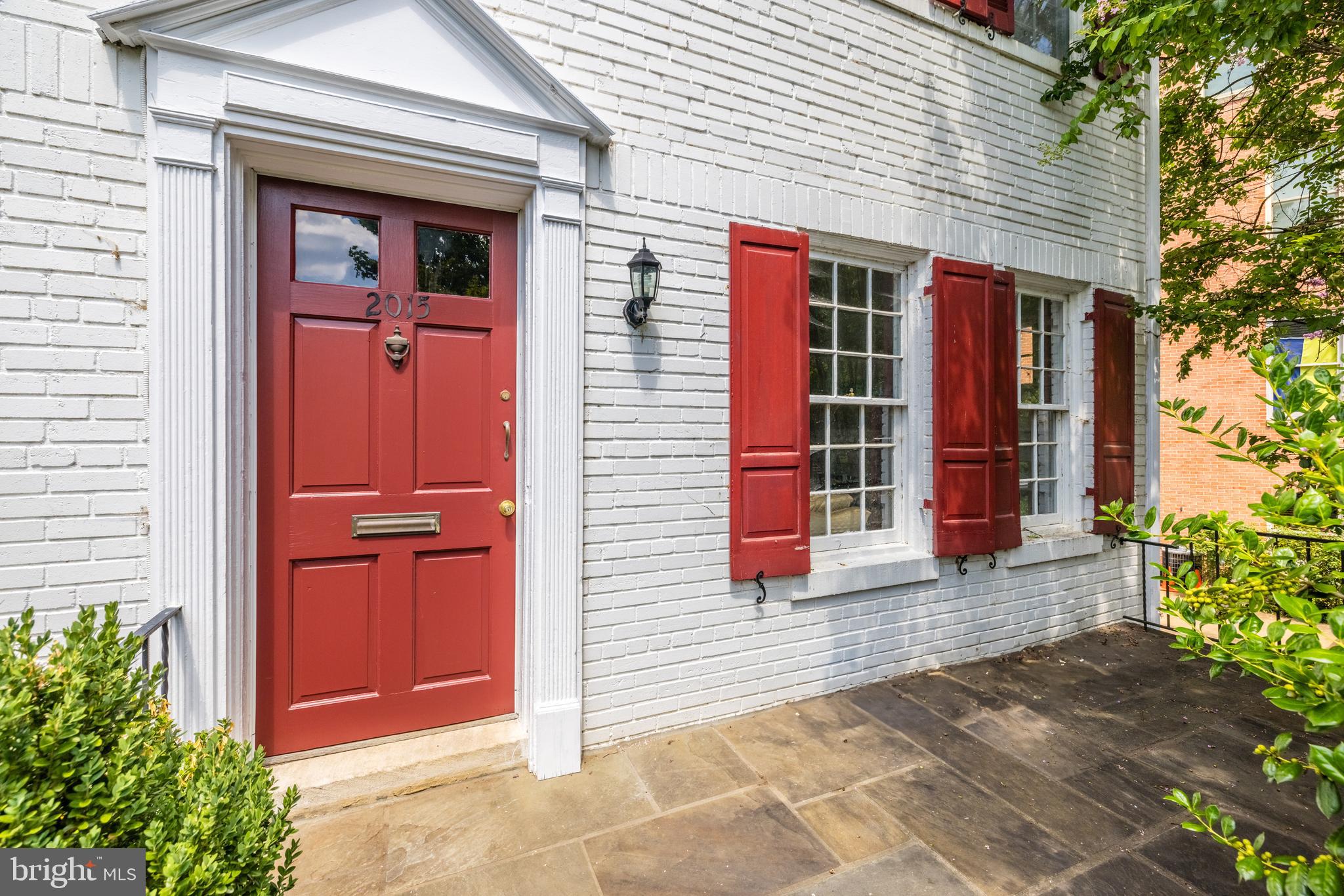
The West Village, west of Wisconsin Avenue toward Georgetown University, holds some of the neighborhood's most historic single-family homes on quiet cobblestone streets. It centers on Volta Park, with its neighborhood pool and playing fields, and is anchored by Georgetown University and its 104-acre campus. The housing is a mix of Federal and later rowhouses, from modest early cottages to substantial townhouses, and the area draws families and university-affiliated buyers. Homes in the West Village generally range from about $1.3 million for smaller rowhouses to $4 million and above for larger and fully renovated houses.

Waterfront Condominiums

The Waterfront and Canal

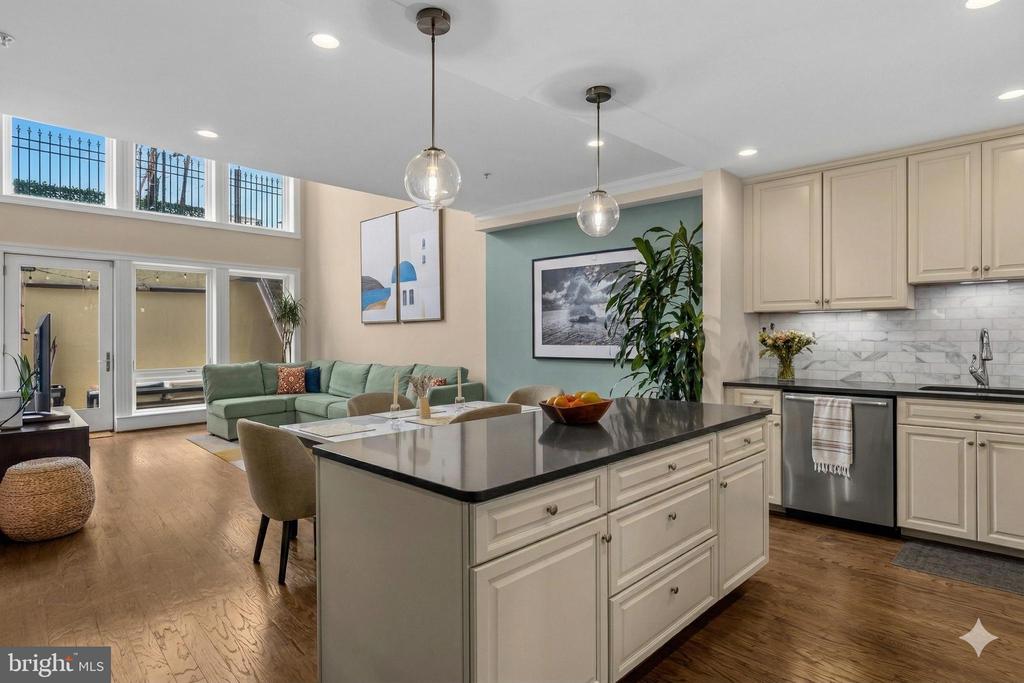
Along the southern edge of Georgetown, between the Chesapeake and Ohio Canal and the Potomac River, the waterfront district offers the neighborhood's most contemporary housing. Here, converted industrial buildings and newer developments along K Street and the canal hold lofts and condominiums, near Washington Harbour and the Georgetown Waterfront Park. This is the part of Georgetown for buyers who want low-maintenance, full-service, or modern living rather than a historic house, within walking distance of the water. Condominiums here range widely with size and building, generally from the mid $400,000s to well over $2 million for large waterfront residences.

Boutique Condominiums

Book Hill and Upper Wisconsin Avenue

Book Hill, along upper Wisconsin Avenue near R Street, is Georgetown's design and gallery district, a cluster of antique dealers, art galleries, and boutiques that gives the northern end of the neighborhood its own character. The surrounding blocks, toward the Georgetown Library and Montrose and Dumbarton Oaks Parks, hold handsome rowhouses and a number of boutique condominium conversions. Homes here appeal to buyers who want to be near the shops and green space at the quieter, uphill end of Georgetown, and pricing follows the broader Georgetown pattern, with rowhouses generally from about $1.5 million upward.

Property Portfolio

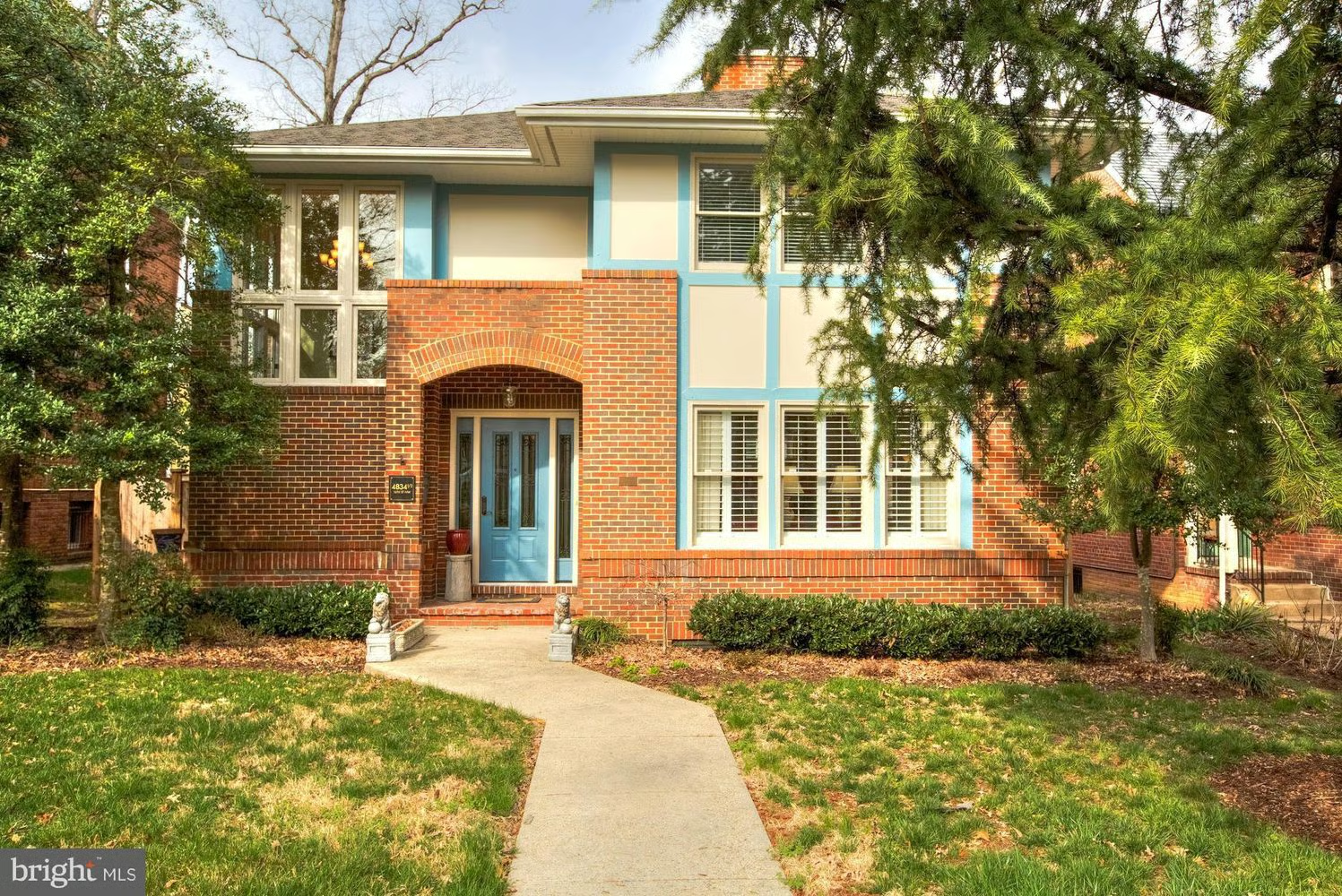
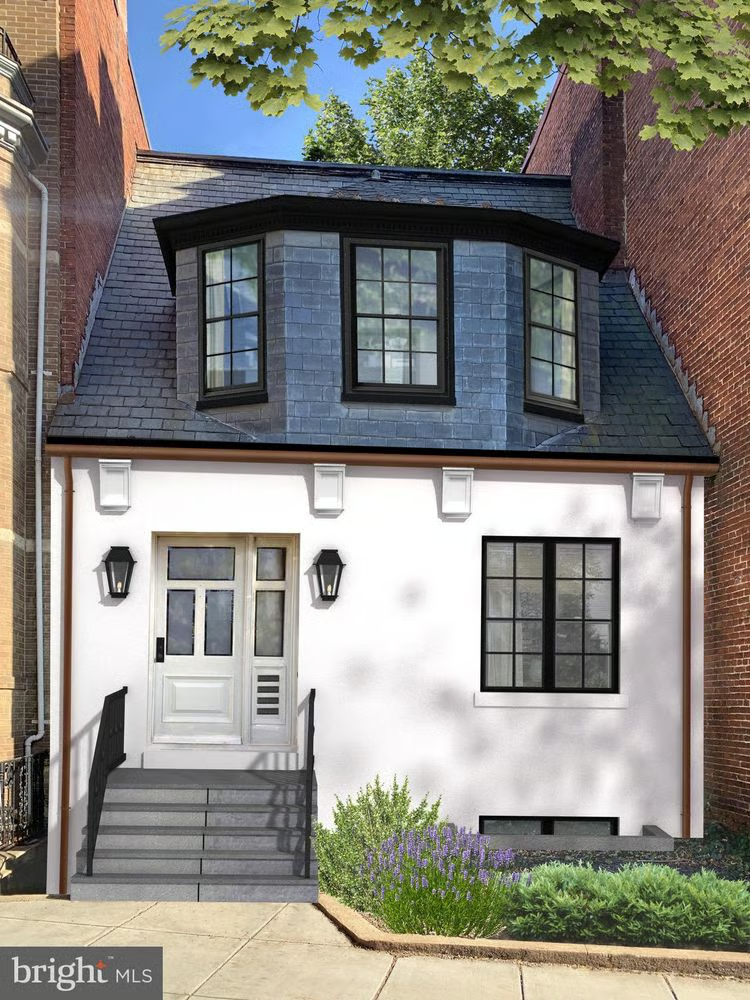
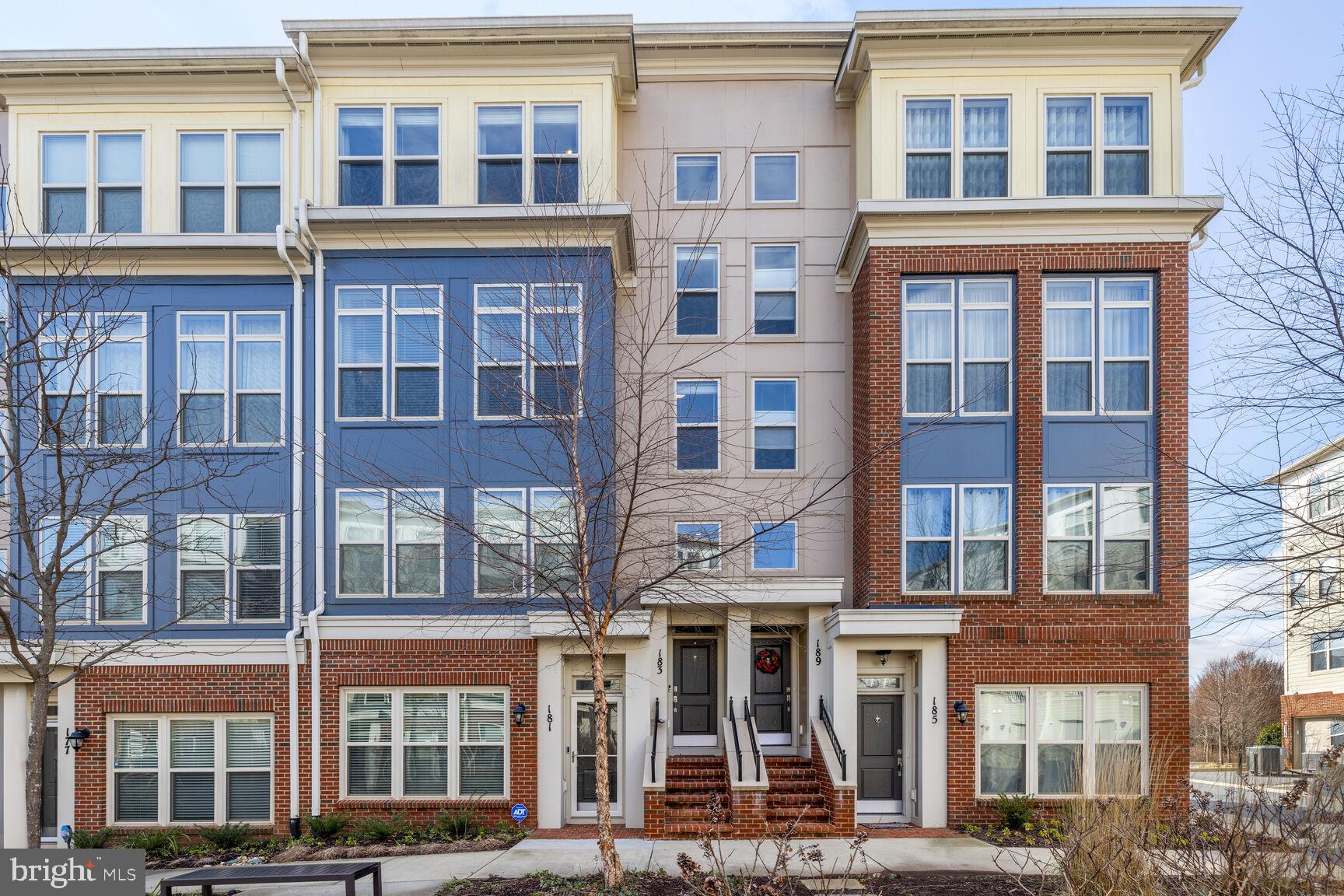
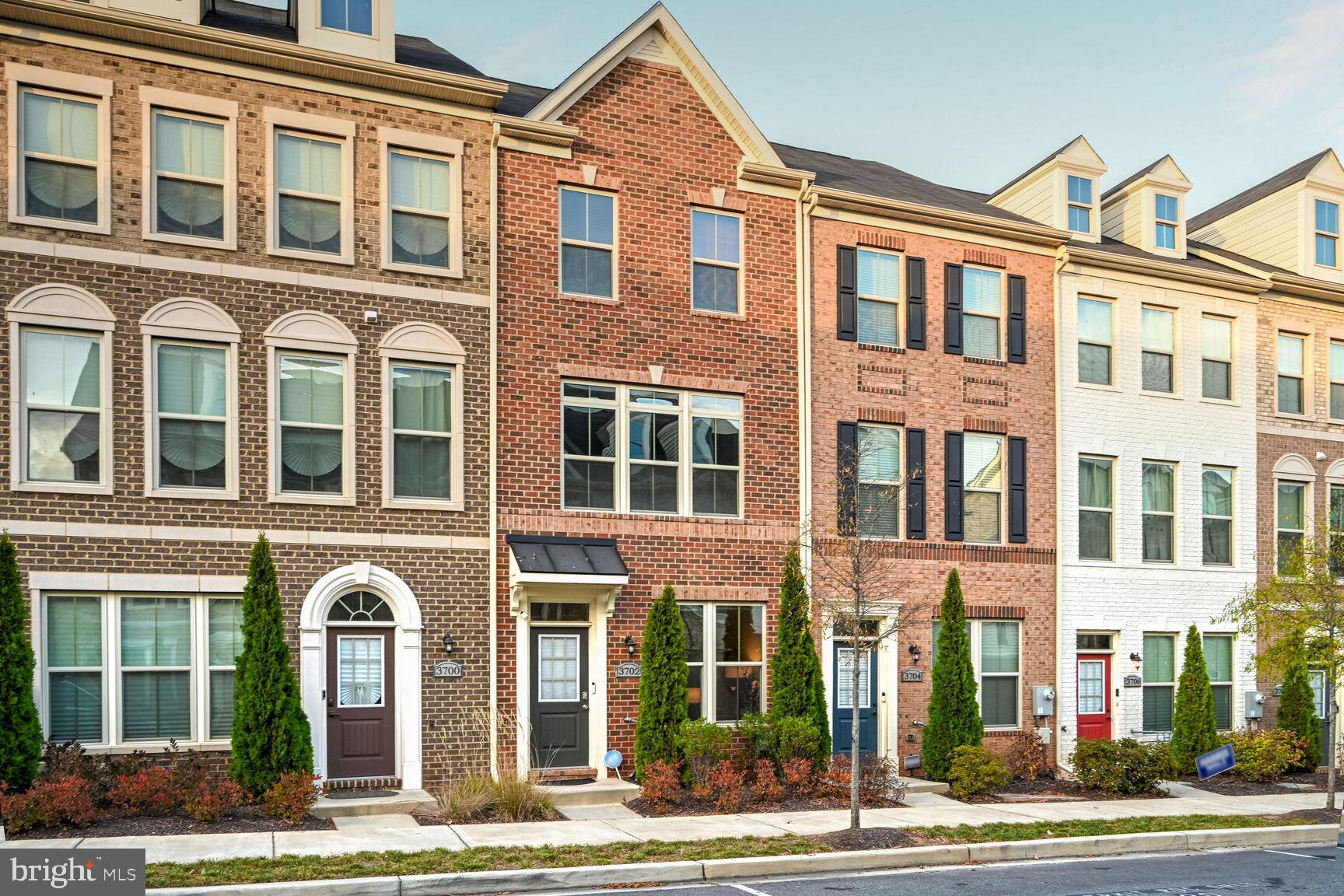
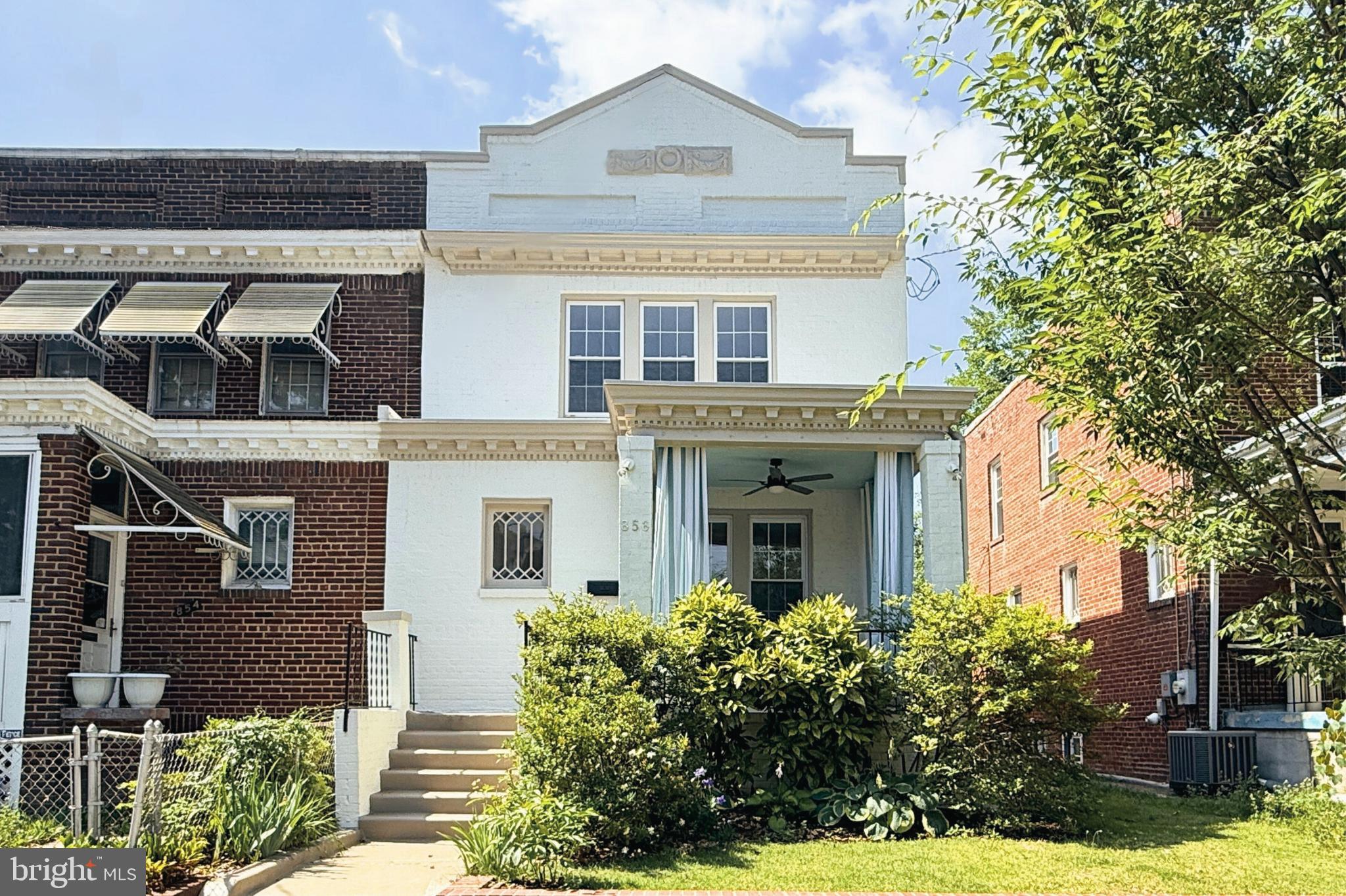
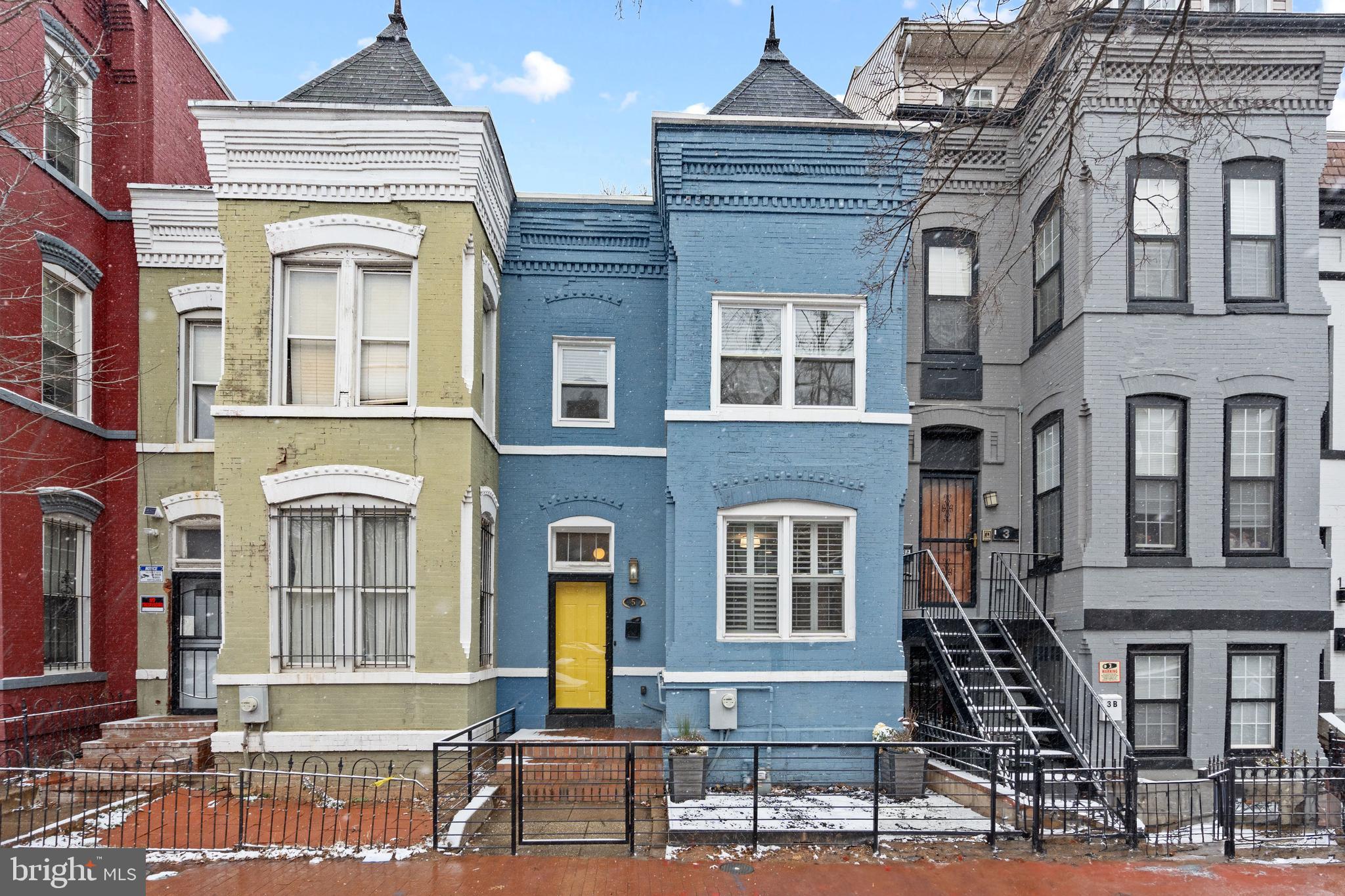
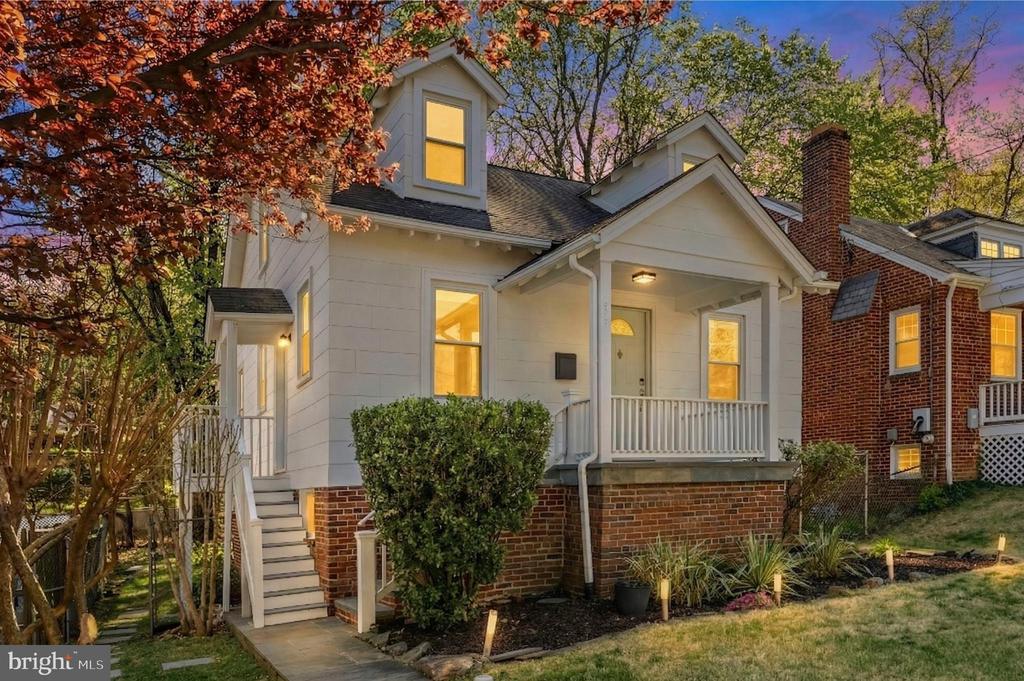
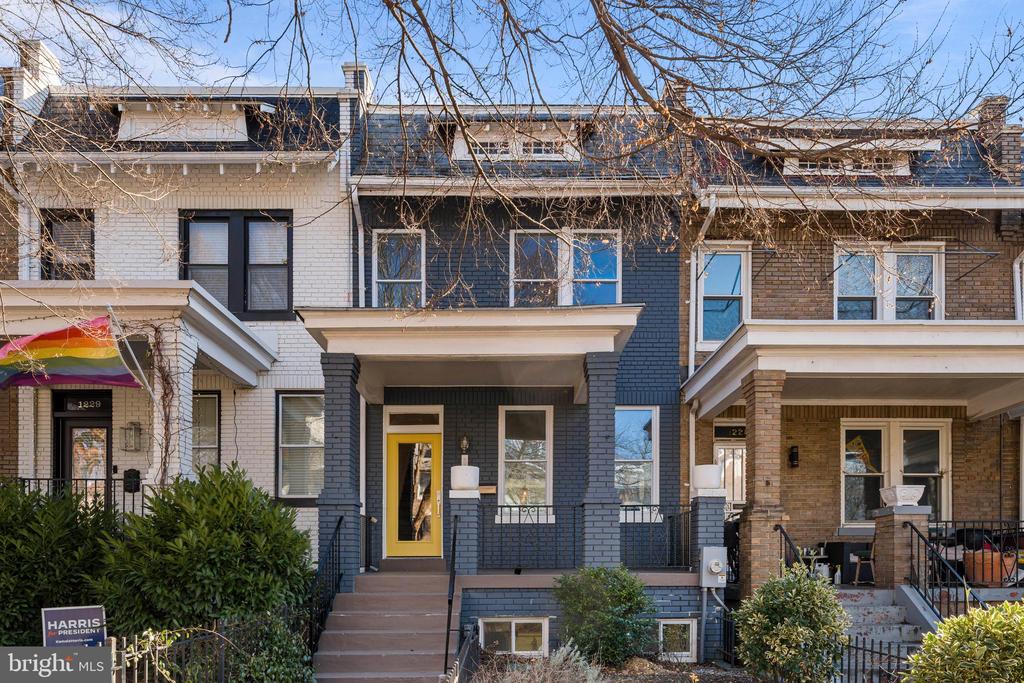
Georgetown Homes for Sale

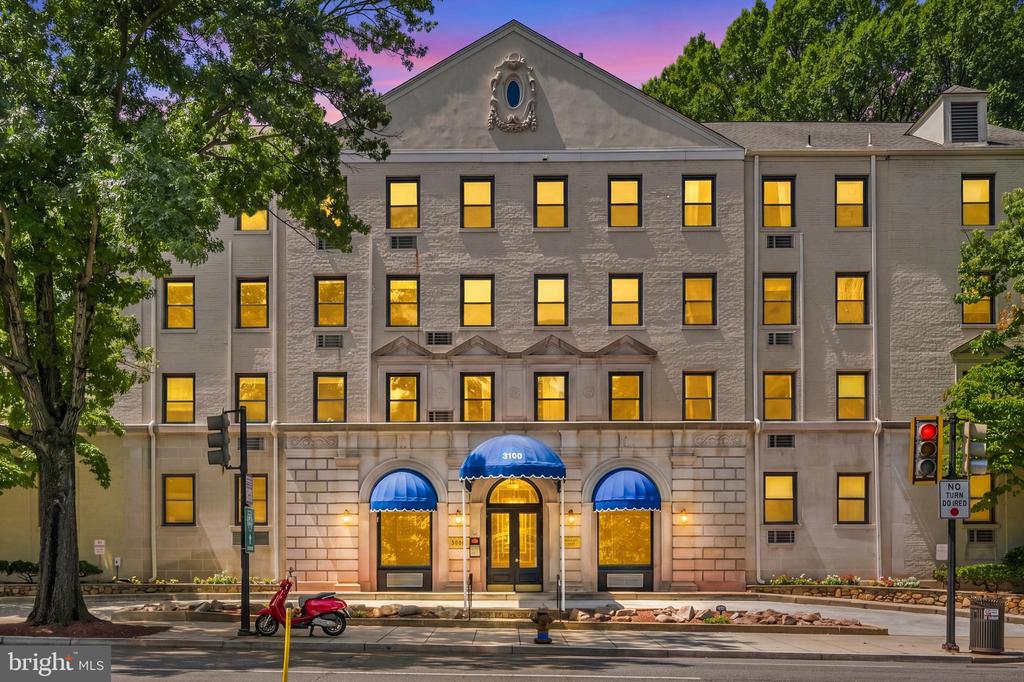
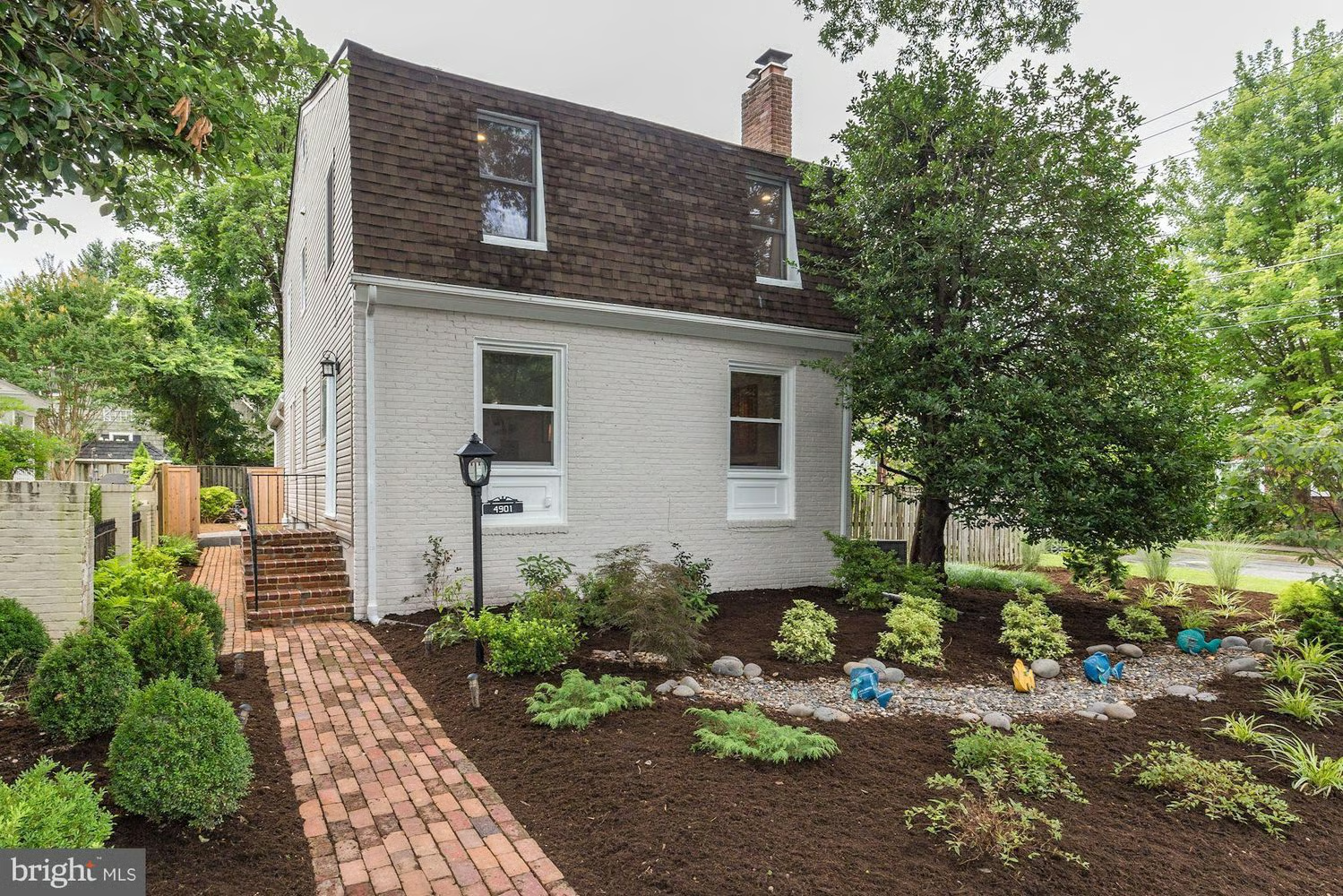
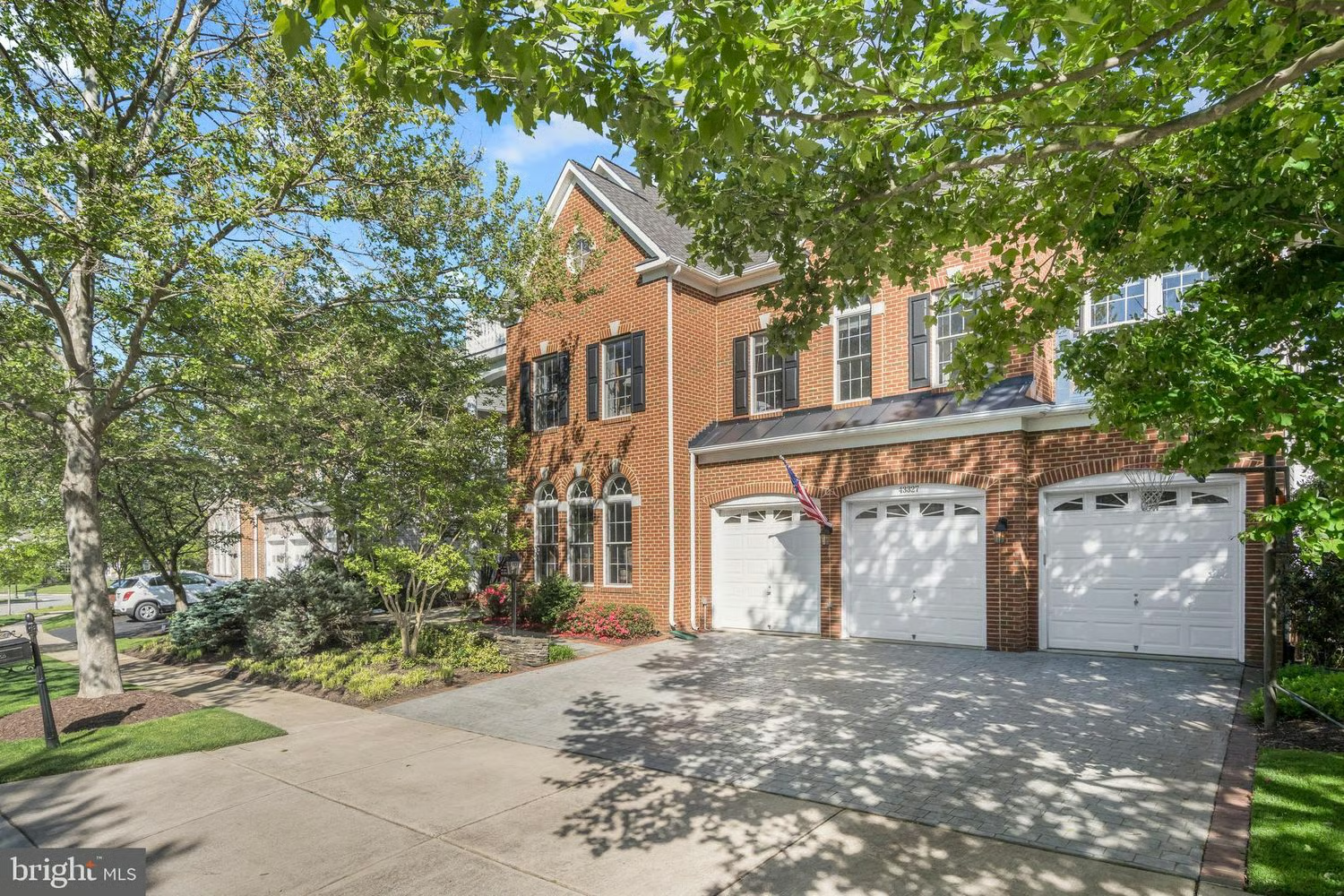
Browse current homes for sale in Georgetown, from Federal rowhouses in the East and West Villages to grand estates, boutique condominium conversions, and waterfront residences along the Potomac.

Living in Georgetown

Living in Georgetown | Dining, Shopping, and Things to Do

Georgetown has one of the deepest and most storied dining scenes in Washington, from waterfront fine dining to historic taverns.

Fiola Mare

on the Georgetown waterfront at Washington Harbour, is the neighborhood's premier special-occasion restaurant, an upscale Italian seafood destination from Michelin-starred chef Fabio Trabocchi with views of the Potomac

1789 Restaurant

in a Federal-style rowhouse near Georgetown University, has served refined American cuisine in an elegant, historic setting since 1960.

Cafe Milano

on Prospect Street, is a longtime Italian restaurant and one of Washington's best-known see-and-be-seen dining rooms.

Martin's Tavern

on Wisconsin Avenue, is a Georgetown institution founded in 1933 and the spot where John F. Kennedy proposed to Jacqueline Bouvier.

Filomena Ristorante

on Wisconsin Avenue near the canal, is known for its handmade pasta, prepared in the front window, and generous classic Italian cooking.

Chez Billy Sud

on 31st Street, is an intimate French bistro that is one of the harder reservations in the neighborhood.

Il Canale

near the canal, serves Naples-style wood-fired pizza and Italian dishes in a lively setting.

Georgetown is one of the premier shopping destinations in the region, centered on M Street and Wisconsin Avenue.

M Street and Wisconsin Avenue

Carries flagship national retailers and well-known brands, with hundreds of stores across the two corridors.

Book Hill (Upper Wisconsin Avenue)

The neighborhood's antiques, art, and boutique district.

Georgetown Flea Market

A long-running weekend market that draws collectors.

Downtown and Virginia Suburbs

Additional shopping options just a short drive away.

Georgetown pairs its shopping and dining with unusual access to history and the outdoors.

Chesapeake and Ohio Canal

Begins in Georgetown and runs more than 184 miles into Maryland, with a towpath popular for walking, running, and cycling.

Georgetown Waterfront Park

Ten acres of paved paths and a boat launch for kayakers and paddleboarders on the Potomac.

Montrose Park, Volta Park, and Rose Park

Neighborhood parks featuring a pool, tennis courts, and a seasonal farmers market.

Dumbarton Oaks Park

Features landscaped gardens open to the public.

Georgetown University

Founded in 1789, it anchors the west side of the neighborhood.

Tudor Place & Old Stone House

A historic landmark house museum in Georgetown. The oldest building in Washington, D.C.

Georgetown Glow

A seasonal winter light festival held in the neighborhood.

Georgetown Branch, DC Public Library

Located on R Street, home to the Peabody Room and its collection of neighborhood history.

Education

Georgetown Schools

Georgetown Schools

Georgetown is served by DC Public Schools in Ward 2, and its in-boundary neighborhood schools are Hyde-Addison Elementary School, Hardy Middle School, and Jackson-Reed High School. Because Georgetown is an affluent, historic neighborhood, many families also choose from the private and independent schools in and around it, and Georgetown University anchors higher education on the west side. Middle and high school assignments run through DCPS feeder patterns and have been affected by recent boundary changes, so families should confirm current assignments for a specific address.

Public Schools Serving Georgetown

Hyde-Addison Elementary School, on O Street in the heart of Georgetown, serves prekindergarten through grade 5, is well-regarded, and is popular enough that in-boundary demand for its lower grades can exceed the available seats. Hyde-Addison feeds into Hardy Middle School, on 34th Street, for grades 6 through 8, and Jackson-Reed High School, formerly Woodrow Wilson High School, in nearby Tenleytown is the in-boundary high school. Georgetown is also home to the Duke Ellington School of the Arts, a well-known public arts high school that admits students citywide by audition. Families should confirm the current in-boundary schools for their address with DCPS.

Private, Independent, and Higher Education

Georgetown families draw heavily on the private and independent schools clustered in and around the neighborhood. Georgetown Visitation Preparatory School, an all-girls Catholic school founded in 1799, sits just west in Burleith, and Holy Trinity School and the British International School of Washington are in or near Georgetown, with the Washington International School, Sidwell Friends, and Georgetown Day School a short distance away. Georgetown University adds higher-education, medical, and cultural resources on the west side. As with any move, families should research individual schools, ratings, and admissions timelines.

 Glance Overview

Georgetown at a Glance

Founded

1751 (Predates Washington, DC)

1751 (predating the founding of the city of Washington)

Location

Ward 2, NW Washington, DC

Ward 2, Northwest Washington, DC (ZIP code 20007), along the Potomac River west of Rock Creek

Median Age

In the 40s (Excl. Students)

Approximately in the 40s for the residential population (younger where students concentrate)

Median Household Income

Among Highest in DC

Among the highest in Washington (confirm a specific ACS figure)

Population

11,000 – 17,000 Residents

Roughly 11,000 to 17,000 residents depending on how the neighborhood is defined; the Georgetown University student population adds substantially

Transit

Buses, Circulator & Key Bridge

No Metro station; nearest are Foggy Bottom-GWU, Dupont Circle, and Rosslyn (about 1.5 miles); DC Circulator, Metrobus, Capital Bikeshare; Key Bridge to Arlington

Typical Home Price Range

$1.5M – $20M+

Median roughly $1.5 million to $1.75 million; Federal rowhouses about $1.5 million to $4 million; grand estates $5 million to $20 million and up; condominiums lower

Walk Score

Mid-90s (Very Walkable)

Approximately mid-90s (very walkable), though the neighborhood has no Metro station

Sources

U.S. Census Bureau (American Community Survey estimates); Georgetown Business Improvement District; Walk Score; Washington Metropolitan Area Transit Authority; MLS market data. Figures should be reviewed at least annually and confirmed against the latest data.

Client Support

Your Real Estate Questions, Answered.

Navigating the DMV luxury real estate market requires unparalleled expertise. Here is what you need to know before we begin.

Book a Consultation
What is the average home price in Georgetown?

Georgetown is one of the most expensive neighborhoods in Washington, with a median sale price in the range of roughly $1.5 million to $1.75 million as of mid-2026. That figure spans a wide range: condominiums and smaller rowhouses can start well below the median, classic Federal rowhouses generally range from about $1.5 million to $4 million depending on block and condition, and the grand detached estates for which Georgetown is known can run from $5 million to well over $20 million. Georgetown is also notably a cash market, with a large share of recent sales requiring no mortgage, so pricing and competition can behave differently than in mortgage-driven neighborhoods.

What kinds of homes and architecture will I find in Georgetown?

Georgetown is defined by historic architecture. The neighborhood is best known for Federal and Georgian brick rowhouses from the late 18th and 19th centuries, set along tree-lined and cobblestone streets, along with a number of grand detached estates such as those in the East Village. Toward the Potomac, the waterfront district adds converted industrial lofts and newer condominiums, and there are boutique condominium conversions scattered throughout. Because Georgetown is a protected historic district, new construction is rare and exterior changes are reviewed by the Old Georgetown Board, so most homes retain their historic character.

What is the difference between the East Village and West Village?

The East Village and West Village are the two residential halves of Georgetown, divided by Wisconsin Avenue. The East Village, toward Rock Creek, is the more convenient to Dupont Circle, the West End, and the nearest Metro, and it holds several of Georgetown's grandest estates, including Tudor Place and the Dumbarton Oaks museum and gardens. The West Village, toward Georgetown University, centers on Volta Park and holds many of the neighborhood's most historic single-family homes on quiet cobblestone streets. In reality, both villages hold exquisite homes and prominent residents, and the choice usually comes down to specific blocks and proximity.

Does Georgetown have a Metro station?

No. Georgetown famously has no Metro station of its own, and the nearest stations, Foggy Bottom-GWU, Dupont Circle, and Rosslyn, are each about a mile and a half from the center of the neighborhood, roughly a 15-minute walk to Foggy Bottom. Contrary to a common myth, this was not primarily the result of residents blocking the Metro. A Georgetown station was never a serious part of the original system plan, given the engineering challenges of building near the Potomac and the network's focus on suburban commuter routes. Residents rely on the DC Circulator, Metrobus, cycling, and driving, and Georgetown remains highly walkable within its own boundaries.

What schools serve Georgetown?

Georgetown is part of DC Public Schools in Ward 2, with in-boundary schools Hyde-Addison Elementary on O Street, Hardy Middle School on 34th Street, and Jackson-Reed High School in nearby Tenleytown. Georgetown is also home to the Duke Ellington School of the Arts, a public arts high school that admits students citywide by audition. Many Georgetown families choose from the private and independent schools in and around the neighborhood, including Georgetown Visitation in Burleith, Holy Trinity, and the British International School, with Sidwell Friends and Georgetown Day School nearby. Because boundaries have changed, families should confirm current assignments for their address.

What is there to do in Georgetown?

Georgetown offers a rare mix of shopping, dining, history, and outdoor recreation. Its M Street and Wisconsin Avenue corridors hold hundreds of shops and restaurants, from flagship retailers to independent boutiques and the antiques and galleries of Book Hill. Along the water, the Chesapeake and Ohio Canal towpath and the Georgetown Waterfront Park offer walking, cycling, and kayaking, and house museums such as Dumbarton Oaks, Tudor Place, and the Old Stone House trace the neighborhood's history. Georgetown University anchors the west side, and seasonal events such as the Georgetown Glow light festival draw visitors through the year.

How is Advisory Partners different from other Georgetown real estate agents?

Advisory Partners is a boutique, Compass-affiliated team suited to a market as varied and historic as Georgetown, where a Federal rowhouse, a waterfront condominium, and a grand estate are three very different transactions. The team pairs data-driven valuations and marketing built for the luxury market with block-by-block knowledge and experience navigating the historic-preservation and Old Georgetown Board considerations that come with owning here, along with access to off-market and Compass Private Exclusive listings, which matter in a discreet, high-value market. For buyers seeking a historic home and for sellers who want their property positioned against the right comparables, the team offers local knowledge and high-touch service. Advisory Partners works across Washington, DC, Northern Virginia, Maryland, and the Delaware beaches.

Advisory Partners Real Estate
Connect

Find Your Home in Georgetown

Advisory Partners helps buyers and sellers across Georgetown and the wider DMV, from Federal rowhouses in the East and West Villages to grand estates and waterfront condominiums along the Potomac. As a boutique team affiliated with Compass, Advisory Partners pairs data-driven pricing and marketing built for the luxury market with the block-by-block knowledge, historic-preservation experience, and off-market access that a neighborhood like Georgetown rewards. To talk through your search, your sale, or a move you are planning, call 202-559-8988 or email info@advisorypartnersdmv.com.

Team
Advisory Partners, Compass
Principal | Real Estate Advisor
Daniel Brewer
Phone
Office 1313 14th Street NW, Washington, DC 20005
Serving Bethesda and the Maryland suburbs
Availability
Seven days a week, by appointment